 Herbal Powders & Raw Herbs
 Organic & Home Made Food products
 Agriculture & Gardening Meterials
 Green Tea & Herbal Tea
 All Verity Seeds
 Spices & Dry Fruits
 Eco – Friendly Products
 Plants
Benefits
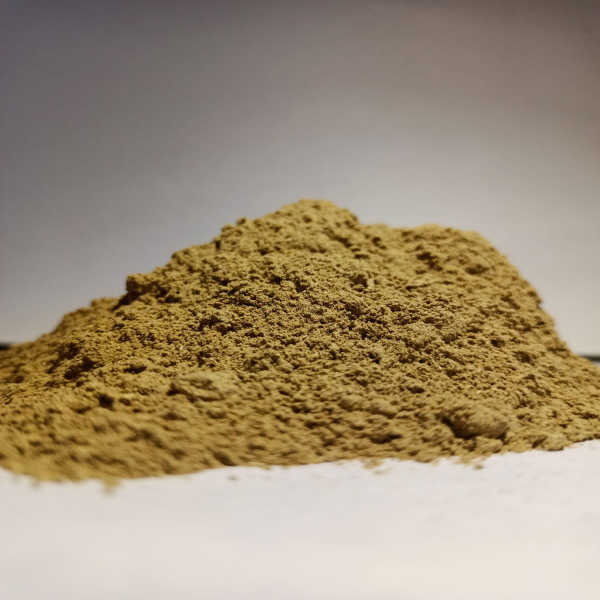
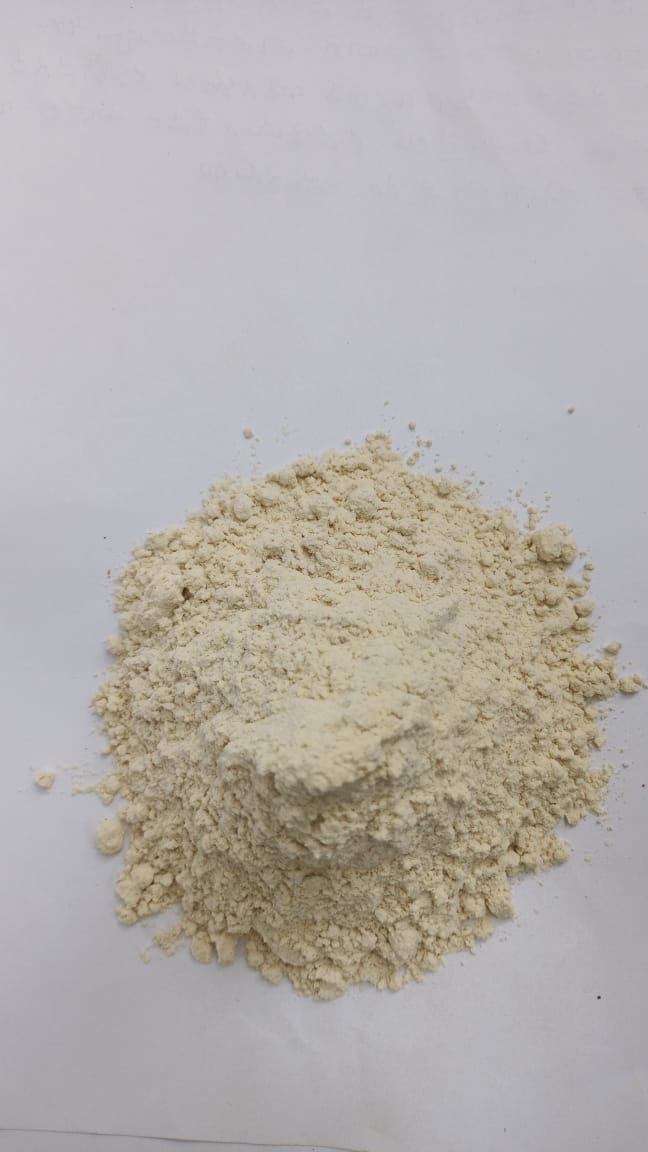
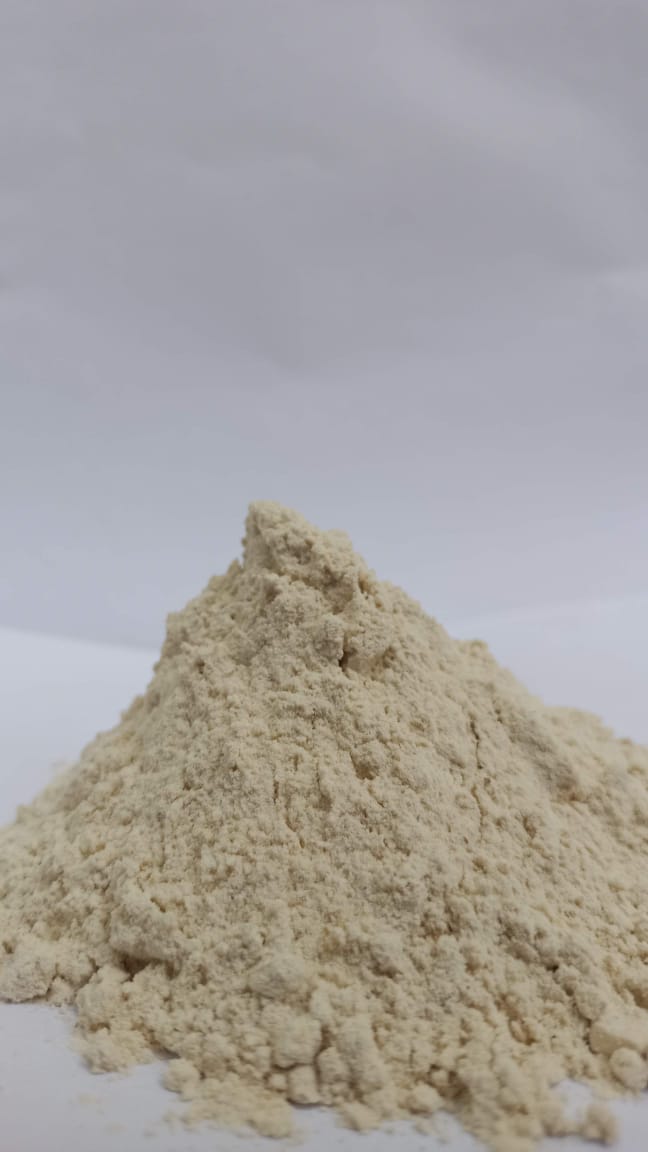
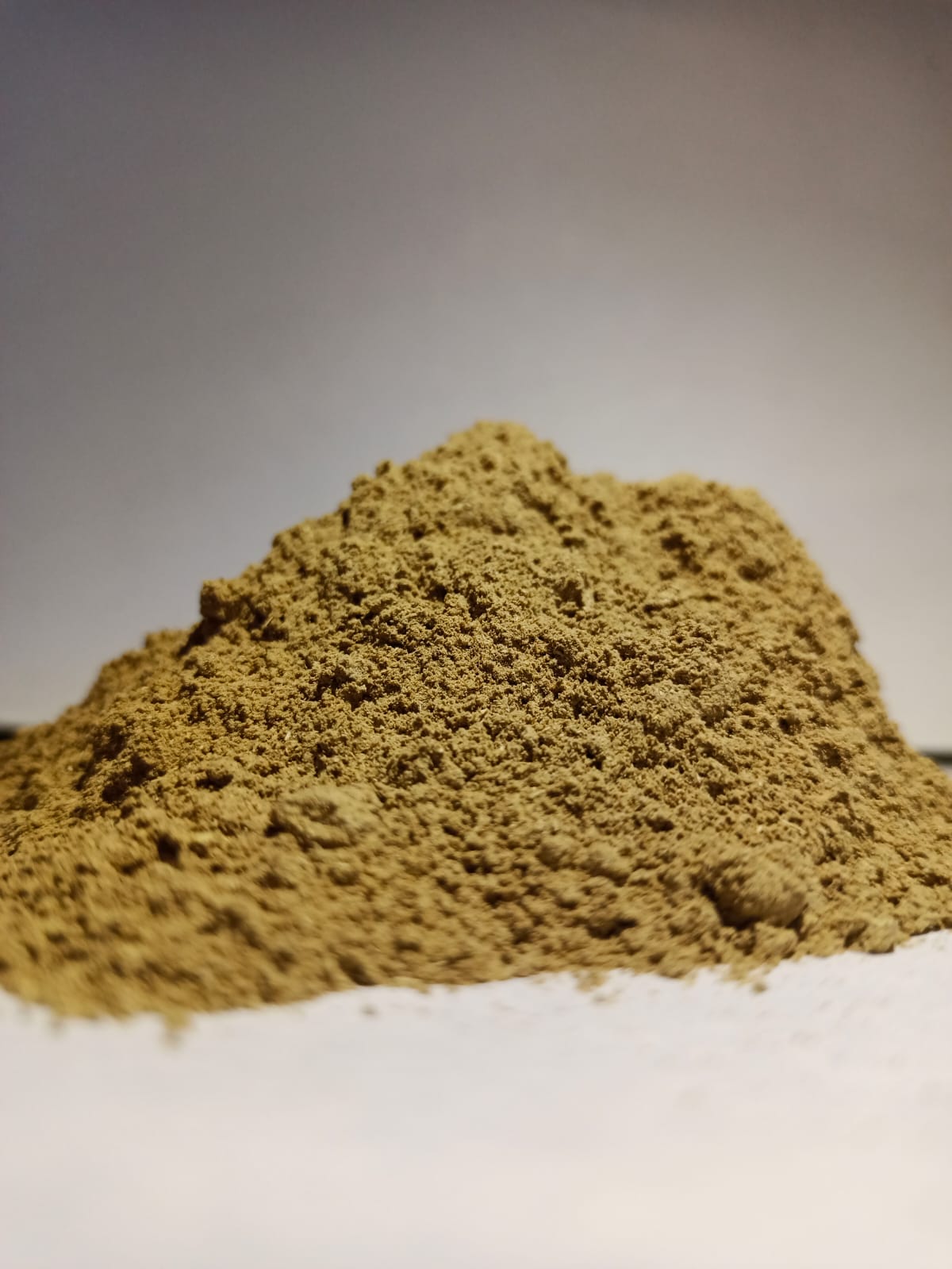
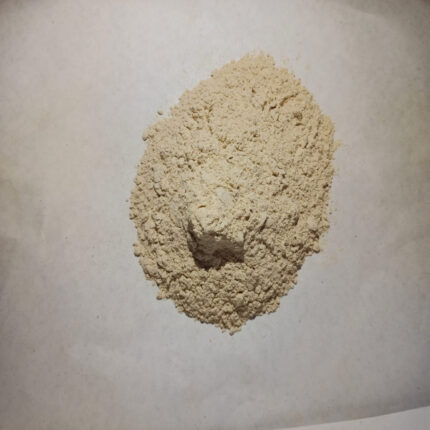
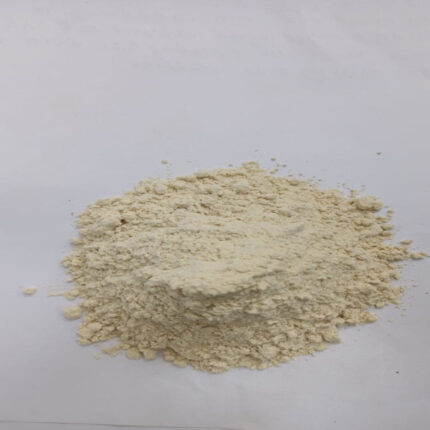
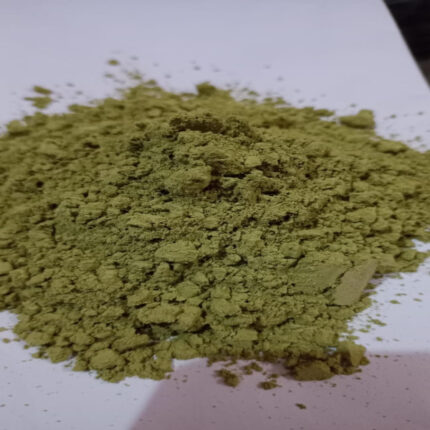
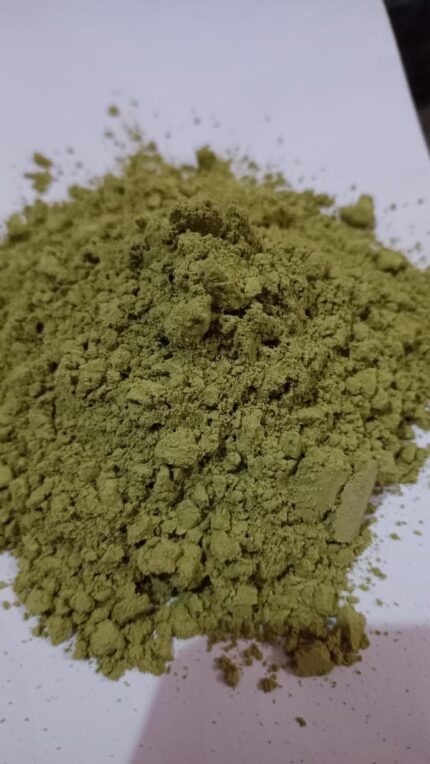
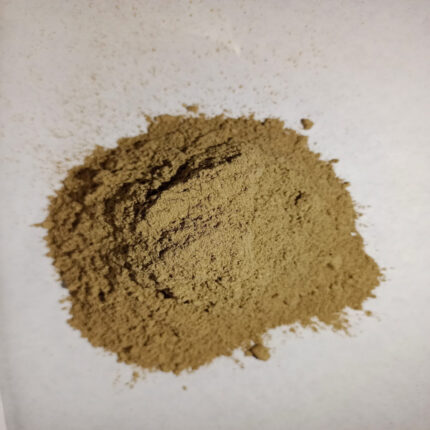
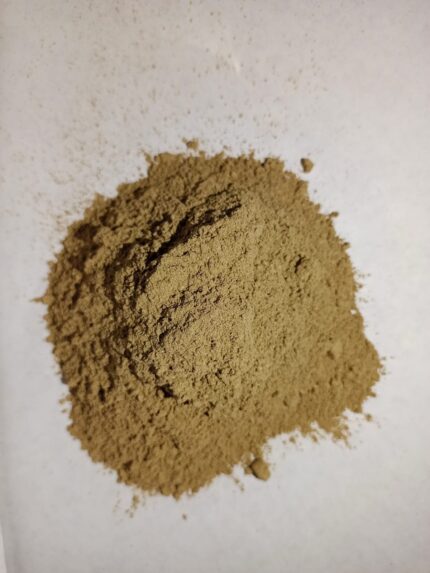
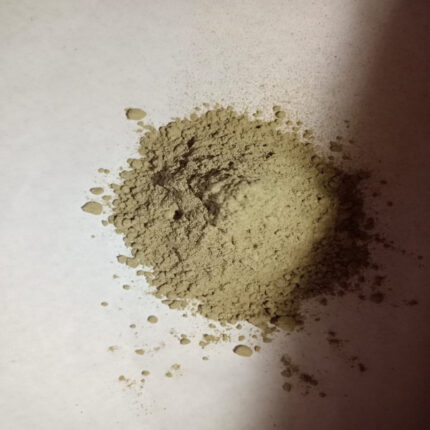
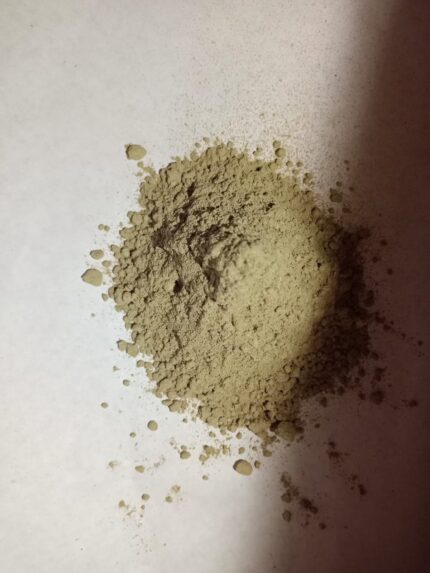
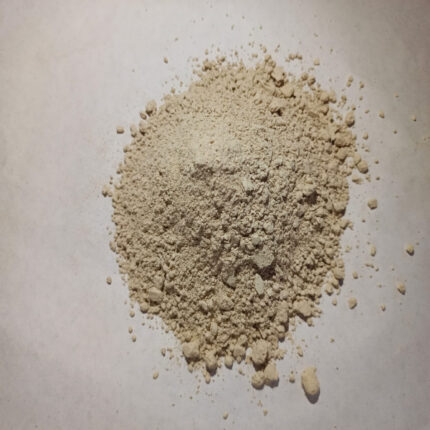
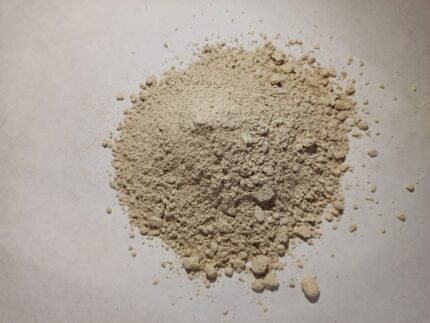
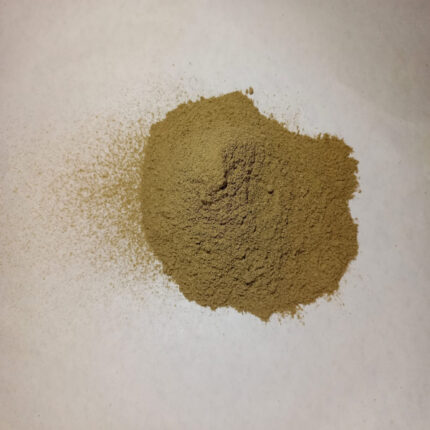
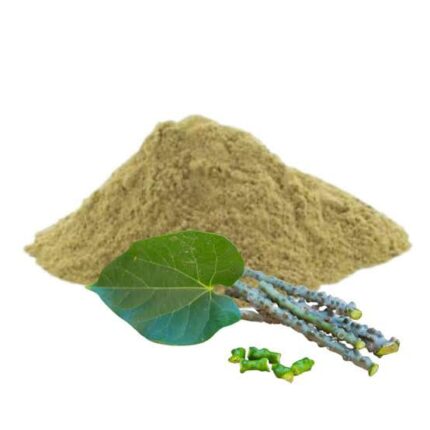
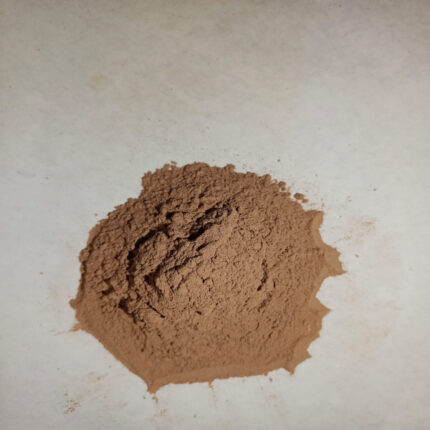
Shatavari, scientifically known as Asparagus racemosus, is a popular herb in Ayurvedic medicine known for its numerous health benefits, particularly for women’s health. Some of the benefits of Shatavari powder include:
- Hormonal Balance: Shatavari is often used to support hormonal balance, especially in women. It can help regulate estrogen levels, which may be beneficial for menstrual irregularities, menopause symptoms, and fertility issues.
- Reproductive Health: It is known to support female reproductive health by nourishing the uterus and improving the functioning of the reproductive organs. It is often used to enhance fertility and support healthy conception.
- Menstrual Health: Shatavari is commonly used to alleviate menstrual cramps, regulate menstrual cycles, and reduce symptoms of premenstrual syndrome (PMS).
- Lactation Support: It is considered a galactagogue, which means it can help stimulate milk production in breastfeeding mothers. It is often recommended to support lactation and improve milk quality.
- Digestive Health: Shatavari has digestive properties that can help soothe the digestive tract, reduce inflammation, and improve digestion. It may be beneficial for conditions like acid reflux, gastritis, and ulcers.
- Immune Support: It has immunomodulatory properties that can help strengthen the immune system and enhance the body’s ability to fight infections and illnesses.
- Anti-inflammatory Effects: Shatavari contains compounds with anti-inflammatory properties, which can help reduce inflammation in the body and alleviate symptoms of inflammatory conditions.
- Antioxidant Properties: It is rich in antioxidants, which can help protect cells from oxidative stress and damage caused by free radicals.
- Stress Reduction: Shatavari is classified as an adaptogen, similar to Ashwagandha, which means it can help the body cope with stress and promote overall well-being.
- Kidney Health: It is believed to have diuretic properties that support kidney health by promoting urine production and flushing out toxins from the body.
- Anti-aging Benefits: Some traditional uses of Shatavari include promoting longevity and vitality, contributing to its reputation as an anti-aging herb.
As with any herbal supplement, it’s important to consult with a healthcare professional or an Ayurvedic practitioner before starting Shatavari powder, especially if you have underlying health conditions or are taking medications. They can provide guidance on the appropriate dosage and usage based on your individual needs.
How to consume Shatavari powder
Shatavari powder can be consumed in various ways, and the method of consumption often depends on personal preference and convenience. Here are some common ways to consume Shatavari powder:
- With Warm Water: Mix the recommended dosage of Shatavari powder with warm water until it dissolves completely. Drink it as a simple and quick way to consume the herb.
- With Milk: Shatavari is traditionally taken with milk, especially in Ayurvedic practices. Mix the powder with warm milk and add a natural sweetener like honey or maple syrup if desired.
- In Smoothies or Juices: Add Shatavari powder to your favorite smoothies or fruit juices. It can blend well with flavors like banana, almond milk, coconut water, or any other fruits you prefer.
- In Tea: Brew Shatavari powder into a tea by adding it to boiling water and letting it steep for a few minutes. You can add spices like cinnamon or ginger for added flavor.
- With Honey: Mix Shatavari powder with honey to form a paste or syrup. This mixture can be consumed directly or added to warm water, milk, or herbal teas.
- In Capsule Form: If you prefer a more convenient option, Shatavari is also available in capsule or tablet form. Follow the dosage instructions on the packaging.
- In Food: You can incorporate Shatavari powder into various recipes such as soups, stews, smoothie bowls, or baked goods for a nutritional boost.
When consuming Shatavari powder, it’s essential to follow the recommended dosage provided by your healthcare professional or Ayurvedic practitioner. The dosage can vary based on factors such as age, health status, and the reason for taking Shatavari. Starting with a lower dose and gradually increasing it as needed can help assess your body’s response.
It’s Important to note that Shatavari is generally considered safe for most people when consumed in recommended doses. However, if you have underlying health conditions, are pregnant or breastfeeding, or are taking medications, it’s crucial to consult with a healthcare professional before using Shatavari or any herbal supplement. They can provide personalized guidance based on your specific circumstances.

Reviews
There are no reviews yet.